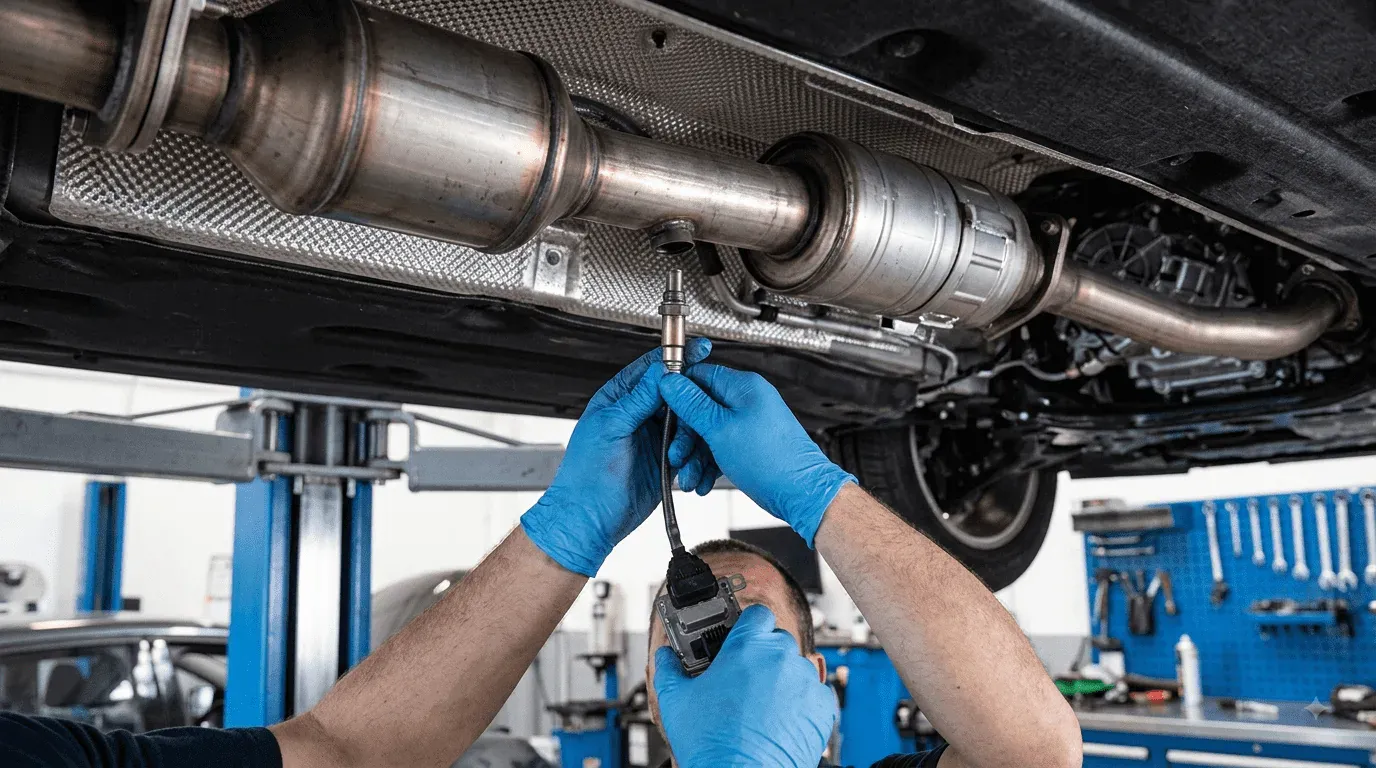
As global attention shifts toward carbon neutrality and clean air initiatives, diesel engines are facing one of the biggest transformations in history. At the heart of this evolution lies the DPF (Diesel Particulate Filter) system — the key technology that determines whether a diesel engine can meet today's stringent emission standards. From China's National VI, to Europe's Euro VI, and U.S. EPA standards, regulations on particulate matter (PM) emissions are becoming tighter every year. The DPF…
2025 Clean Diesel & DPF Technology


As global attention shifts toward carbon neutrality and clean air initiatives, diesel engines are facing one of the biggest transformations in history.
At the heart of this evolution lies the DPF (Diesel Particulate Filter) system — the key technology that determines whether a diesel engine can meet today's stringent emission standards.
Global Emission Standards 2025
From China's National VI, to Europe's Euro VI, and U.S. EPA standards, regulations on particulate matter (PM) emissions are becoming tighter every year.
The DPF system is no longer just an exhaust filter; it plays a critical role in balancing engine performance, fuel efficiency, and regulatory compliance.
In this article, we'll take a detailed look at how the DPF system works, its components, regeneration process, maintenance requirements, and the major trends shaping the diesel industry in 2025.
What Is a DPF System and Why Is It So Important?
The primary mission of a DPF system is simple yet vital — to capture and remove soot particles generated during diesel combustion, preventing them from being released into the atmosphere.
The Challenge of Modern Diesel Engines
The Challenge of Modern Diesel Engines
Modern diesel engines use Ultra-Low Sulfur Diesel (ULSD) and Exhaust Gas Recirculation (EGR) to reduce nitrogen oxide (NOx) emissions.
However, these technologies also lower exhaust temperatures, causing:
- Incomplete fuel combustion
- Higher concentration of soot
- Increased particulate matter
The DPF Solution
This is where the DPF comes in — acting like the lungs of a diesel engine, it traps fine particulate matter before it can escape into the air, ensuring both environmental protection and optimal engine performance.
How Does the DPF System Work?
At the core of every DPF is a ceramic honeycomb structure made from silicon carbide (SiC) or cordierite.
The Filtration Process
Step-by-step operation:
- Capture: As exhaust gases pass through the DPF channels, soot particles are trapped within the porous walls
- Pass-through: Clean gas passes through and exits the tailpipe
- Accumulation: Over time, trapped soot accumulates, increasing exhaust back pressure
- Regeneration: When the filter reaches capacity, the engine initiates a regeneration process — burning off soot and converting it into fine ash
- Restore: This self-cleaning cycle restores exhaust flow and keeps the system efficient
Pro Tip
Regular highway driving at sustained speeds helps maintain passive regeneration, reducing the need for active regeneration cycles and extending DPF life.
Main Components of a DPF System
While configurations vary among vehicle models, most modern diesel trucks share these core components:
System Integration Critical
All components must work in perfect harmony. A failure in just one — such as a faulty sensor or injector — can cause:
- Incomplete regeneration
- Loss of power
- Forced engine derate
- Excessive fuel consumption
Understanding DPF Regeneration: Burning Off the Soot
Regeneration is the process of burning accumulated soot into fine ash, which clears the DPF channels and restores exhaust flow.
Three Types of Regeneration
Three Types of Regeneration
1. Passive Regeneration
Natural cleaning during normal operation
- Occurs when the vehicle operates under high load or highway speeds
- Exhaust temperature exceeds 600°C
- Soot burns continuously without driver intervention
Best for: Long-haul trucks on highways
2. Active Regeneration
ECU-controlled cleaning process
- Triggered automatically by the ECU when soot levels are high
- Engine adjusts EGR, turbo boost, and activates dosing injector
- Raises exhaust temperature to 550–650°C
Duration: 20-40 minutes Frequency: Every 300-500 km depending on driving conditions
3. Parked or Manual Regeneration
Stationary cleaning for heavily loaded DPF
- Performed when the DPF is heavily loaded and cannot regenerate automatically
- Driver initiates it while the truck is stationary
- Requires approximately 30-60 minutes
If a parked or forced regeneration will not start, stops early, or leaves the soot estimate unchanged, use our DPF regeneration failure diagnostic guide before attempting another regen.
Warning: Incomplete Regeneration
If regeneration temperatures are insufficient or cycles are repeatedly interrupted, partial regeneration occurs — leading to:
- Progressive clogging
- Higher fuel consumption
- Possible power loss
- Forced derate mode
DPF Maintenance and Service Intervals
Unlike soot, ash cannot be burned off during regeneration, so the DPF must be cleaned or replaced periodically.
Maintenance Schedule Guidelines
Maintenance Schedule Guidelines
Essential Maintenance Tips
To maximize DPF lifespan:
- ✅ Always use high-quality low-sulfur diesel and low-ash engine oil
- ✅ Regularly monitor differential pressure and temperature readings
- ✅ Keep the DOC and dosing injector clean and functioning properly
- ✅ Never ignore a DPF or regen warning light — address it immediately
- ✅ Schedule annual professional DPF inspections
Long-Term Benefits
Proper care can extend DPF life beyond 500,000 km and prevent costly downtime, saving thousands in replacement costs.
Future Trends: The Evolution of DPF Technology in 2025
① Stricter Regulations & Real-Time Monitoring
① Stricter Regulations & Real-Time Monitoring
Global emission standards (Euro VI-D, China VI-B, EPA 2027) are driving the adoption of On-Board Emissions Monitoring (OBM/RDE) systems.
Impact: Real-time DPF performance directly affects emission compliance and vehicle operation permits.
② Advanced Materials & Smart Regeneration
② Advanced Materials & Smart Regeneration
Next-generation silicon carbide composite DPFs offer:
- Better heat resistance
- Lower back pressure
- Extended service life
Coupled with intelligent temperature control algorithms, they enable:
- More efficient regeneration cycles
- Reduced fuel consumption
- Fewer forced regenerations
③ Retrofit Demand for Older Diesel Vehicles
③ Retrofit Demand for Older Diesel Vehicles
As emission zones expand globally, retrofitting DPF systems on older trucks has become a major market opportunity for service workshops.
Market drivers:
- Low Emission Zones (LEZ) in major cities
- Fleet compliance requirements
- Government incentive programs
④ Remote Diagnostics & Predictive Maintenance
④ Remote Diagnostics & Predictive Maintenance
Fleet operators are increasingly using telematics and AI-based monitoring to track:
- DPF soot load in real-time
- Regeneration frequency and success rate
- Health scores and predictive alerts
- Component wear prediction
Benefit: Detecting clogging before it causes downtime, optimizing maintenance schedules.
⑤ "Clean Diesel" in the Age of Electrification
⑤ "Clean Diesel" in the Age of Electrification
While electric and hybrid vehicles are growing, diesel power remains essential in:
- Logistics and freight transport
- Construction equipment
- Agriculture machinery
- Heavy-duty commercial vehicles
A highly efficient DPF system ensures diesel engines remain part of a sustainable, low-emission future.
Final Thoughts: The DPF as the Guardian of Diesel Efficiency
The DPF system isn't just an emissions component — it's a vital part of your engine's health and efficiency.
When properly maintained, it:
- ✅ Keeps exhaust clean
- ✅ Maintains performance
- ✅ Reduces long-term costs
- ✅ Ensures regulatory compliance
Ignoring it, on the other hand, can lead to:
- ❌ Severe clogging
- ❌ Excessive fuel consumption
- ❌ Forced derate conditions
- ❌ Expensive repairs
Recommended Practices for Fleet Owners and Drivers
Essential Actions:
- Avoid long idling and maintain optimal combustion efficiency
- Schedule an annual DPF health check or cleaning
- Use professional diagnostic tools to monitor regen activity
- Address warning lights or regen issues promptly to avoid costly repairs
Conclusion: The Intelligent DPF of 2025
In 2025, the DPF is no longer a simple filter — it's an intelligent, integrated emission-control system that combines:
- Temperature management
- Advanced materials
- Real-time diagnostics
- Predictive maintenance
Understanding it, maintaining it, and optimizing it means:
- Extending the life of your engine
- Reducing operational costs
- Meeting emission standards
- Protecting the environment
Partner with Proformanceusa
For professional DPF diagnostics, maintenance tools, and expert support:
Visit Proformanceusa — Your trusted partner for diesel emission system solutions.
- OEM-quality diagnostic equipment
- Expert technical support
- Comprehensive training
- 24/7 assistance
Because keeping your engine healthy is the first step toward protecting the planet. 🌤️