Did you know that a tiny sensor smaller than your smartphone could be the difference between passing and failing emissions testing? The NOx sensor (Nitrogen Oxide sensor) is the unsung hero of modern diesel engines — silently monitoring emissions, protecting the environment, and keeping your vehicle legally compliant. When it fails, your check engine light is just the beginning. What Exactly Are NOx Gases? NOx, or oxides of nitrogen, are gases formed when fuel burns at high temperatures. They m…
NOx Sensors: The Tiny Device That Keeps Your Diesel Engine Clean


Did you know that a tiny sensor smaller than your smartphone could be the difference between passing and failing emissions testing? The NOx sensor (Nitrogen Oxide sensor) is the unsung hero of modern diesel engines — silently monitoring emissions, protecting the environment, and keeping your vehicle legally compliant. When it fails, your check engine light is just the beginning.
What Exactly Are NOx Gases?
NOx, or oxides of nitrogen, are gases formed when fuel burns at high temperatures. They mainly include Nitric Oxide (NO) and Nitrogen Dioxide (NO₂). That reddish-brown haze you sometimes see over busy city streets in summer? That's largely NO₂.
Health & Environmental Impact
NOx gases are serious pollutants that:
- Irritate the lungs and can worsen asthma, especially in children
- Harm ecosystems by contributing to acid rain
- Reduce visibility, making roads less safe
Keeping NOx levels in check isn't just about regulations — it's about health, safety, and the environment.
What Does a NOx Sensor Do?
The NOx sensor does more than just measure emissions — it helps control them. In diesel engines, it works with the Selective Catalytic Reduction (SCR) system. This system also includes the SCR catalyst, Diesel Particulate Filter (DPF), and the turbocharger.
How It Works in Practice
- Detection: The sensor monitors the exhaust and detects NOx levels
- Communication: If the gases exceed safe limits, it sends data to the engine's control system
- Correction: The SCR system injects Diesel Exhaust Fluid (DEF), which turns harmful NOx into harmless nitrogen and water
Think of it like a small traffic cop for your exhaust gases — it spots the problem and signals the engine to take corrective action.
How Does the Sensor Work?
Inside the sensor:
- A Nernst cell keeps the air-fuel mixture perfectly balanced
- A ceramic cell coated with rhodium breaks NOx down into nitrogen and oxygen
- A NOx controller calculates the exact NOx concentration and tells the SCR system how much DEF to inject
The system adjusts itself in real time — no driver input required.
Where Can You Find the NOx Sensor?
Most commonly, the sensor is located after the SCR catalyst, allowing it to verify that emissions are within legal limits. Some trucks or heavy-duty diesels use two sensors — one before and one after the SCR — for extra precision.
Are NOx Sensors Only for Diesel Cars?
Not at all. While diesels emit more NOx, modern petrol engines also use NOx sensors to meet emission regulations like Euro 6. So whether your car runs on diesel or petrol, it likely has at least one NOx sensor.
Common Problems With NOx Sensors
NOx sensors work in a tough environment: heat, vibration, and soot from combustion. Over time, they can fail.
Typical Symptoms Include:
- Check Engine Light coming on
- Poor fuel economy
- Reduced power or limp mode
- Sluggish acceleration
Main Culprit
The primary cause of NOx sensor failure is soot buildup, which can coat or damage the sensor and prevent accurate readings.
How to Test a NOx Sensor
A diagnostic tool like Proformance BlueTech VCI can read error codes from your vehicle's ECU.
But codes don't always tell the whole story — sometimes the sensor itself needs a multimeter test to verify it's working properly.
Cleaning and Repair
Important Note
- NOx sensors are self-cleaning — manual cleaning isn't recommended and can damage the sensor
- Repairing a faulty sensor may seem tempting, but due to the sensor's precision, replacement is usually the safest and most reliable solution
Replacing a NOx Sensor
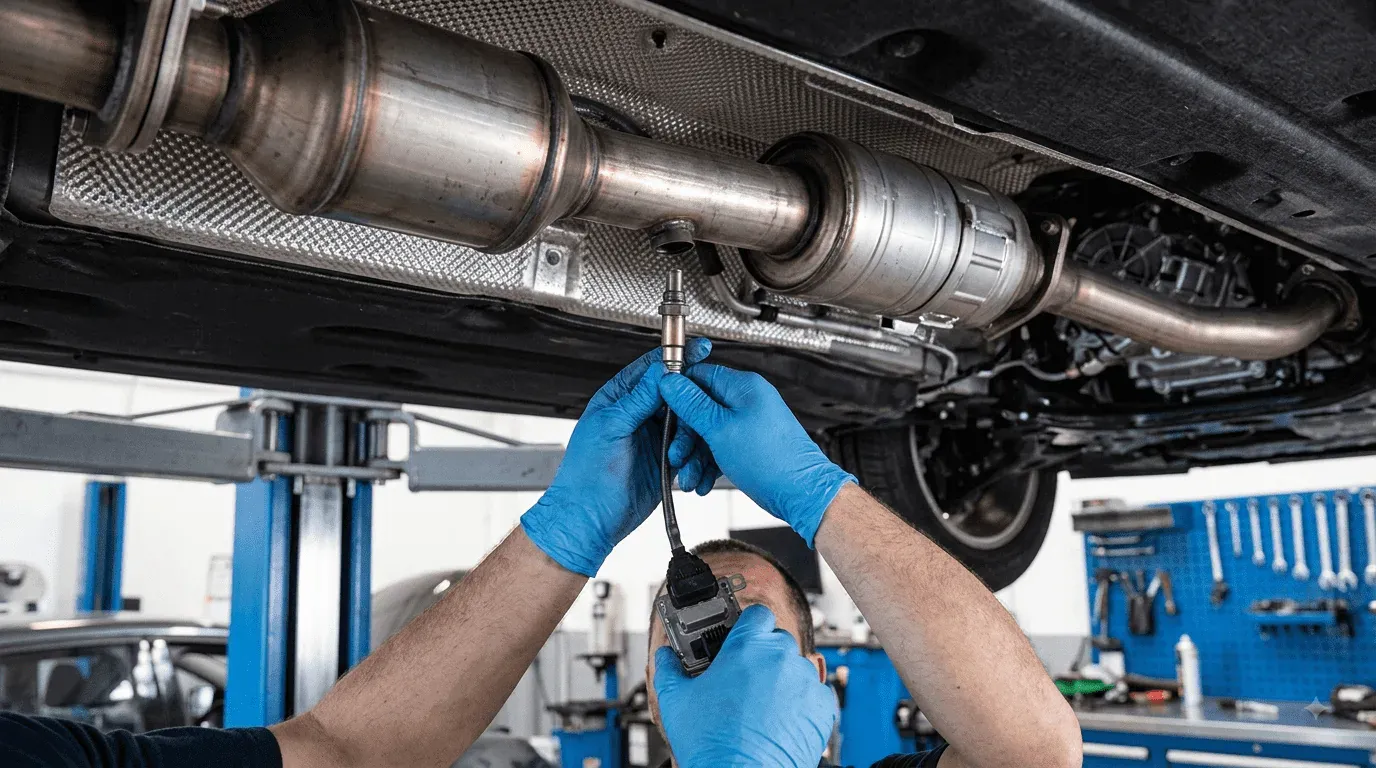
Yes, replacement is possible — and often straightforward. While refurbished units are available, using new, high-quality sensors ensures long-term accuracy and compliance.
Replacement Process:
- Disconnect the battery
- Locate the sensor (usually in the exhaust system)
- Unplug the electrical connector
- Remove the old sensor with a wrench
- Install the new sensor with proper torque
- Reconnect and clear error codes
Why It Matters
The NOx sensor might be tiny, but it plays a huge role in keeping your vehicle environmentally friendly and legally compliant. It's one of those invisible heroes in modern cars that most drivers never notice — until it fails.
Trust Proformanceusa for Quality
With more than 13 years of experience in engine electronics and emissions control, Proformance Diagnostics provides reliable NOx sensors, diagnostic tools, and expert support — helping you keep your vehicles running cleaner, smarter, and longer.
Key Takeaways
- NOx sensors monitor and help control harmful nitrogen oxide emissions
- They work with the SCR system to reduce pollutants
- Both diesel and modern petrol engines use NOx sensors
- Common failures are caused by soot buildup
- Replacement is more reliable than repair
- Proper diagnostics are essential for accurate troubleshooting
Frequently Asked Questions
What is a NOx sensor and why is it important?
A NOx sensor is a critical emissions control device that monitors nitrogen oxide levels in your vehicle's exhaust system. It works with the SCR system to keep emissions within legal limits and protect the environment.
How long do NOx sensors typically last?
Most NOx sensors last between 100,000-150,000 miles under normal conditions. However, they can fail earlier due to soot buildup, contamination, or exposure to extreme heat.
What are the symptoms of a failing NOx sensor?
Common symptoms include:
- Check Engine Light illuminated
- Reduced engine power (limp mode)
- Poor fuel economy
- Failed emissions test
- Sluggish acceleration
Can you clean a NOx sensor to fix it?
No, NOx sensors are self-cleaning and manual cleaning is not recommended. Attempting to clean them can damage the sensitive ceramic components. Replacement is the safest solution.
How much does NOx sensor replacement cost?
Replacement costs vary, but expect to pay $200-$500 for the sensor plus labor. Using high-quality OEM or trusted aftermarket sensors ensures long-term reliability and accuracy.
Do petrol engines have NOx sensors?
Yes, modern petrol engines (especially Euro 6 compliant vehicles) also use NOx sensors to meet strict emission standards, though they're more common in diesel engines.
Need help diagnosing or replacing NOx sensors? Contact Proformanceusa Diagnostics for expert support, quality parts, and professional diagnostic tools.