Emissions problems are a common source of downtime for modern diesel trucks. A fault in the DPF, DEF, SCR, NOx, or EGR system can trigger warning lights, affect vehicle performance, and in some cases lead to a derate. For fleets and diesel repair shops, the challenge is not simply finding a fault code. Technicians need to understand what the code means, determine the likely cause, check related system parameters, and verify the repair. A professional diesel truck diagnostic tool can bring…
How Truck Diagnostic Tools Reduce Diesel Truck Downtime
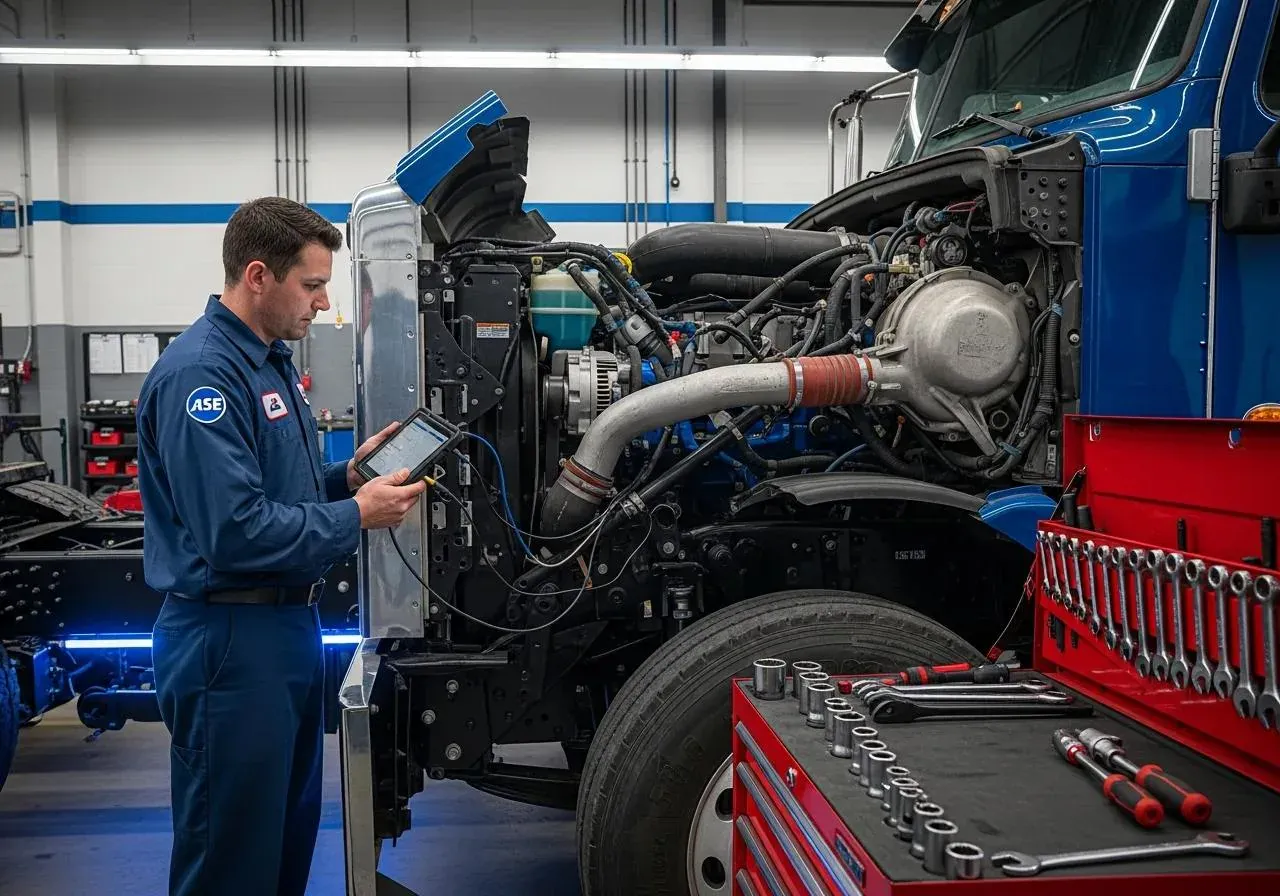
Emissions problems are a common source of downtime for modern diesel trucks. A fault in the DPF, DEF, SCR, NOx, or EGR system can trigger warning lights, affect vehicle performance, and in some cases lead to a derate.
For fleets and diesel repair shops, the challenge is not simply finding a fault code. Technicians need to understand what the code means, determine the likely cause, check related system parameters, and verify the repair.
A professional diesel truck diagnostic tool can bring these steps together by providing fault code information, live data, aftertreatment diagnostics, diagnostic tests, and supported service functions.
The result is a more efficient troubleshooting process and less time spent with a truck sitting in the shop.
Why Emissions Problems Cause Diesel Truck Downtime
Modern diesel engines use several systems to control emissions and maintain performance, including:
- Diesel particulate filters (DPF)
- Diesel exhaust fluid (DEF) systems
- Selective catalytic reduction (SCR)
- NOx sensors
- Exhaust gas recirculation (EGR)
- Exhaust temperature sensors
- Exhaust pressure sensors
These systems work together, which means one problem can sometimes create additional fault codes or affect the operation of another component.
For a fleet maintenance team, this can make emissions faults difficult to diagnose.
Common sources of lost maintenance time include:
- Researching unfamiliar fault codes
- Testing multiple components before finding the actual problem
- Waiting for diagnostic equipment or dealer appointments
- Replacing parts based on symptoms rather than test results
- Performing a repair without being able to verify the result
- Dealing with a truck that has already entered a derate condition
The faster technicians can move from a fault code to a confirmed diagnosis, the faster the truck can return to service.
How a Diesel Truck Diagnostic Tool Speeds Up Troubleshooting
A basic code reader tells a technician that a fault exists. A professional truck diagnostic scanner can provide much more information.
Depending on the vehicle and diagnostic platform, technicians may be able to access:
- Active and inactive fault codes
- Fault descriptions
- Live engine data
- Sensor values
- Operating conditions
- Aftertreatment parameters
- Diagnostic tests
- Supported service functions
This information allows technicians to investigate the problem instead of simply clearing the code and waiting to see whether it returns.
Start With the Fault Code
Fault codes are usually the first step in an emissions diagnosis.
However, the code itself does not always identify the failed component.
A technician may need to determine whether the fault is caused by:
- A failed sensor
- Wiring or electrical problems
- An operating condition
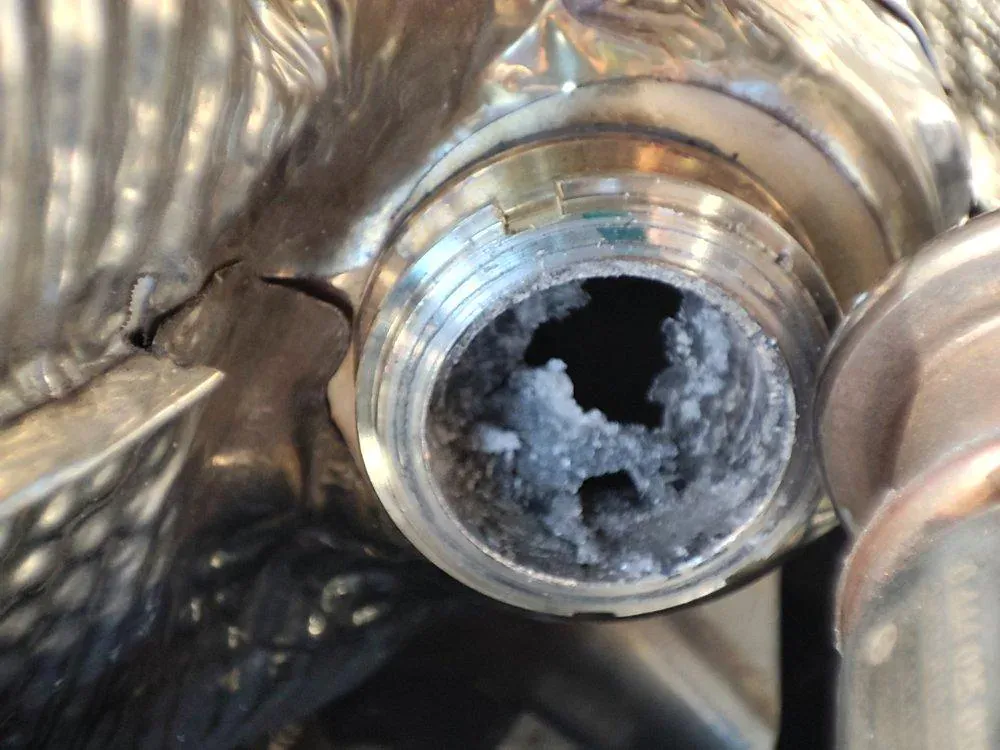
- Excessive soot accumulation
- An aftertreatment component
- A related system problem
Using the fault code together with live data and system information provides more diagnostic context.
Use Live Data to Find the Root Cause
Live data is particularly useful when several components can produce similar symptoms.
For example, an aftertreatment fault may require technicians to compare exhaust temperature readings, NOx values, pressure measurements, engine operating conditions, and other available parameters.
Looking at these values together can help technicians determine whether the system is operating within expected conditions.
This approach can reduce unnecessary parts replacement and help make the repair process more systematic.
Diagnosing DPF, DEF, SCR, and NOx Problems
Aftertreatment systems are among the most important areas to consider when choosing a diesel truck diagnostic tool.
Common emissions-related problems include:
- DPF soot accumulation
- Failed regenerations
- DEF system faults
- SCR efficiency problems
- NOx sensor faults
- Exhaust temperature problems
- Exhaust pressure issues
- EGR-related faults
The exact diagnostic functions available depend on the truck, engine, model year, and supported diagnostic coverage.
DPF Diagnostics
DPF problems can result from excessive soot loading, regeneration problems, operating conditions, or other system faults.
Depending on vehicle support, a professional diagnostic tool may provide information such as:
- DPF soot load
- DPF ash information
- Exhaust temperatures
- Regeneration status
- Related fault codes
Some platforms also support DPF regeneration and other DPF service procedures.
Having this information available can help technicians determine whether a regeneration is appropriate or whether additional diagnosis is required.
DEF and SCR Diagnostics
DEF and SCR systems play an important role in reducing NOx emissions.
When an SCR-related fault occurs, technicians may need to evaluate DEF-related information, system performance, sensor readings, and related fault codes.
Depending on vehicle support, diagnostic tools may provide functions such as:
- DEF-related tests
- SCR efficiency testing
- Aftertreatment system tests
- Related sensor data
- Supported reset procedures
These functions can help technicians verify system operation after completing repairs.
NOx Sensor Diagnostics
NOx sensors are an important part of modern SCR systems.
A diagnostic tool can help technicians identify NOx-related fault codes and, when supported by the vehicle, view available NOx sensor readings and other aftertreatment parameters.
However, a NOx fault code does not automatically mean that the sensor itself has failed.
Additional testing may be necessary to determine whether the cause is the sensor, wiring, connector, exhaust system, or another component.
Why Multi-Brand Coverage Matters for Fleets
Fleet maintenance becomes more complicated when a company operates several truck brands.
A mixed fleet may include vehicles using engines from manufacturers such as:
- Cummins
- Detroit Diesel
- PACCAR
- Volvo
- Mack
- International
Each platform can have different fault codes, diagnostic procedures, data parameters, and service functions.
Using multiple diagnostic platforms can increase equipment costs and require technicians to learn different workflows.