Every vehicle has a unique 17 character fingerprint: the Vehicle Identification Number (VIN). Whether you are buying a used diesel truck, ordering the right replacement part, or troubleshooting fault codes, knowing how to read a VIN saves you time, money, and frustration. In this guide, we break down the VIN section by section, show you how to decode the model year and engine, and explain why a VIN decoder is an essential tool in your shop. What Is a VIN, and Why It Matters A VIN is a…
VIN Decoder: How to Read Your Vehicle Identification Number Like a Pro


Every vehicle has a unique 17-character fingerprint: the Vehicle Identification Number (VIN). Whether you are buying a used diesel truck, ordering the right replacement part, or troubleshooting fault codes, knowing how to read a VIN saves you time, money, and frustration.
In this guide, we break down the VIN section by section, show you how to decode the model year and engine, and explain why a VIN decoder is an essential tool in your shop.
What Is a VIN, and Why It Matters
A VIN is a standardized 17-character code assigned by the manufacturer. No two vehicles share the same VIN. It contains:
- Who made the vehicle and where
- The vehicle's model, body, and engine
- The model year
- The plant that assembled it
- The serial number
Because it is unique, the VIN is your key to accurate manufacturer data, recall lookups, insurance records, and correct parts ordering.
Warning: The letters I, O, and Q are never used in a VIN to avoid confusion with the numbers 1 and 0.
The 17 Characters, Explained
| Position | What It Encodes |
|---|---|
| 1–3 | World Manufacturer Identifier (WMI) |
| 4–8 | Vehicle Descriptor Section (VDS) – model, body, engine |
| 9 | Check digit (mathematical verification) |
| 10 | Model year |
| 11 | Assembly plant |
| 12–17 | Serial number |
1–3: World Manufacturer Identifier (WMI)
The first three characters tell you who made the vehicle and where.
- The first character is the country of manufacture
- 1, 4, 5 – United States
- 2 – Canada
- 3 – Mexico
- J – Japan
- K – Korea
- W – Germany
- 3 – Mexico
- Z – Italy
- The second character is the manufacturer (e.g., Ford, GMC, Peterbilt)
- The third character identifies the vehicle type or division
Example: a VIN starting with 1FT decodes to a Ford (F) built in the US (1) as a truck (T).
4–8: Vehicle Descriptor Section (VDS)
These five characters describe the vehicle itself: the series, model, body style, engine type, and restraint system.
- The meaning varies by manufacturer
- For heavy-duty trucks, this section often encodes the engine family and chassis configuration
This is where a full manufacturer database becomes valuable — the raw characters mean nothing without the decode.
9: Check Digit
Position 9 is a cryptographic checksum computed from the other 16 characters.
Why it exists:
- It detects typos — an invalid check digit means the VIN was mistyped
- It helps prevent VIN cloning or forgery
- Decoders validate this digit automatically
If a VIN "looks right" but fails the check digit test, something is wrong. Walk away from the deal or double-check the plate.
10: Model Year
The tenth character is the model year code. It does not include the leading decade digit, which is why the code repeats — learn to read the year of manufacture too.
| Code | Year | Code | Year |
|---|---|---|---|
| M | 2021 | R | 2024 |
| N | 2022 | S | 2025 |
| P | 2023 | T | 2026 |
Pro Tip: The 10th character only gives a range. Cross-check the build date stamp and the sticker in the driver door jamb for the exact month.
11: Assembly Plant
Character 11 identifies the plant where the vehicle was built. The code differs per manufacturer.
Why this matters:
- Different plants can produce slightly different variants
- Recall campaigns sometimes target specific plants and VIN ranges
12–17: Serial Number
The last six characters are the vehicle's production sequence number — essentially its identity within the factory.
- The first character of this section may indicate the model year or assembly division again on some makes
- No two vehicles in the same plant share the same serial
Why You Should Decode a VIN Before You Buy
1. Verify What You Are Buying
A decoder reveals the actual engine, transmission, cab configuration, and market. That "newer engine" the seller advertises may not exist — the VIN doesn't lie.
2. Check Recalls and History
The VIN links to recall notices, open campaigns, and registration history. A clean VIN with pending recalls is still a warning.
3. Order the Right Parts
The wrong sensor, harness, or gasket ordered by "look" wastes time and money. VIN lookup gives shop systems the exact OEM configuration needed for accurate part matching.
4. Confirm Emissions Configuration
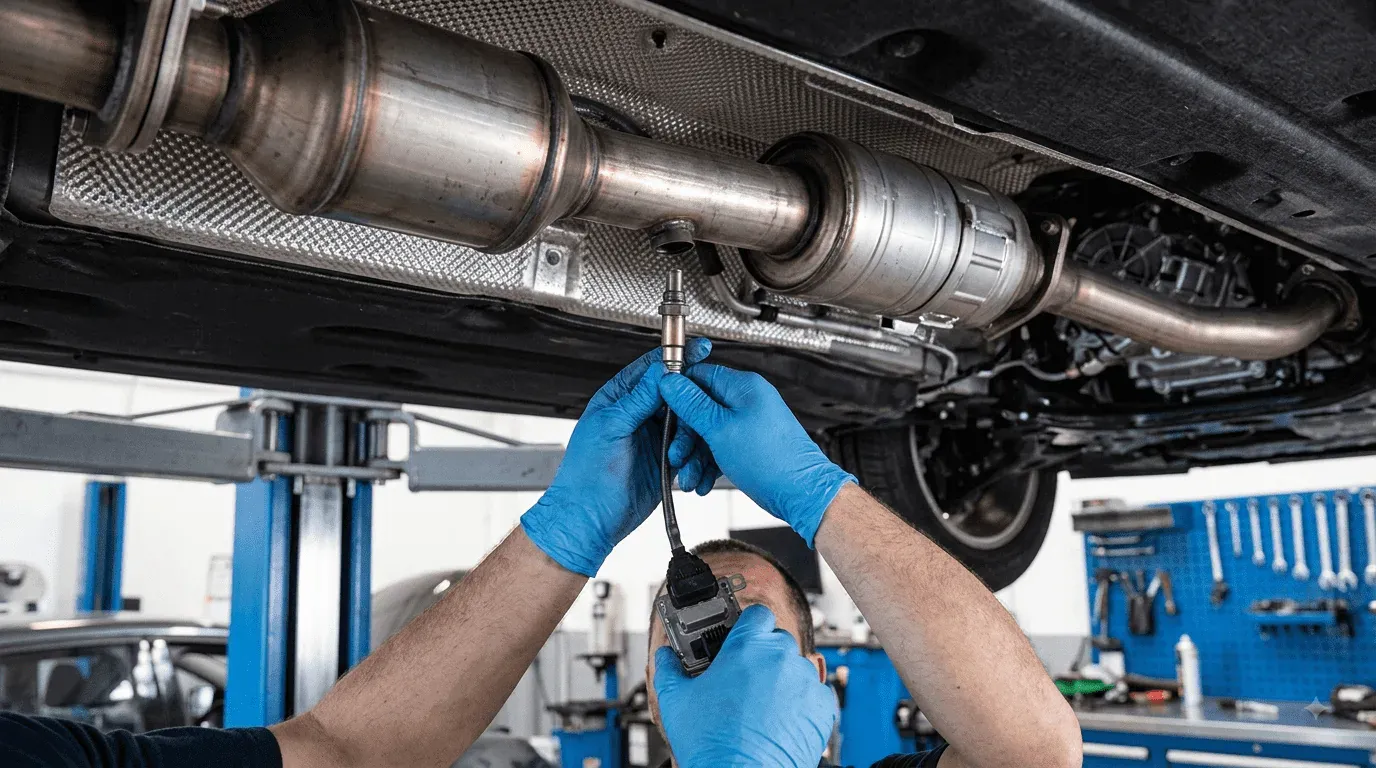
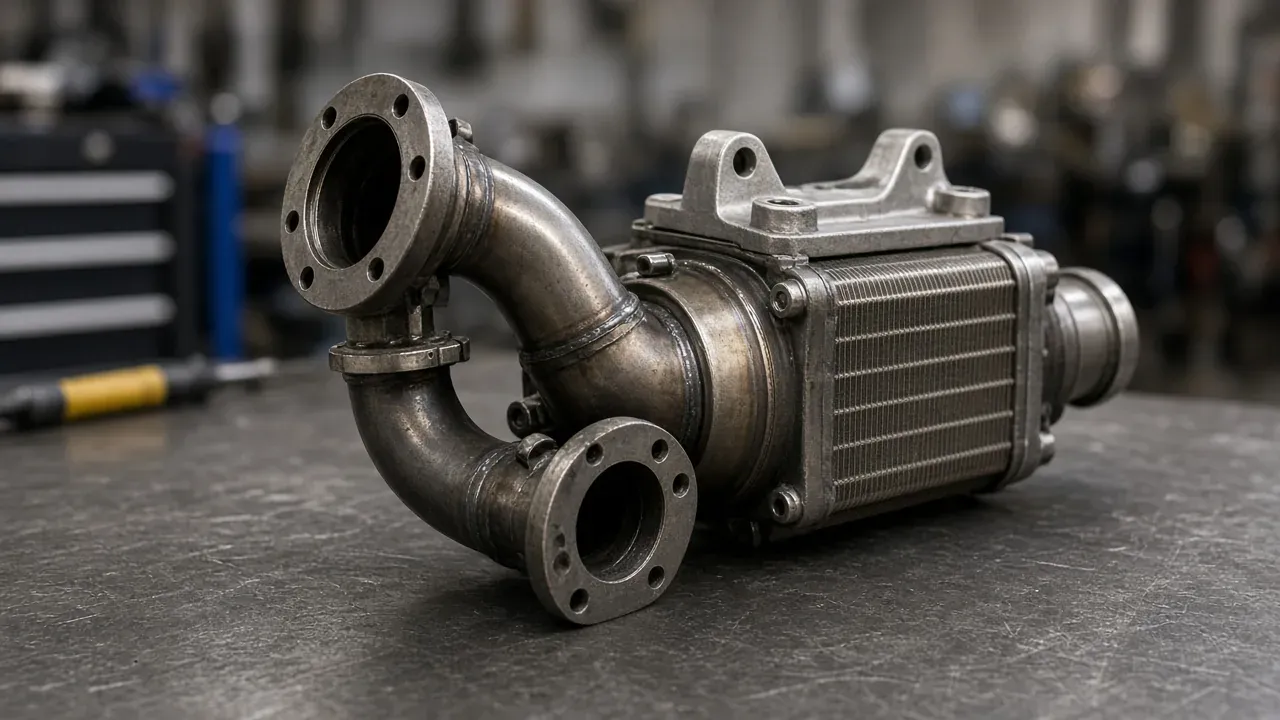
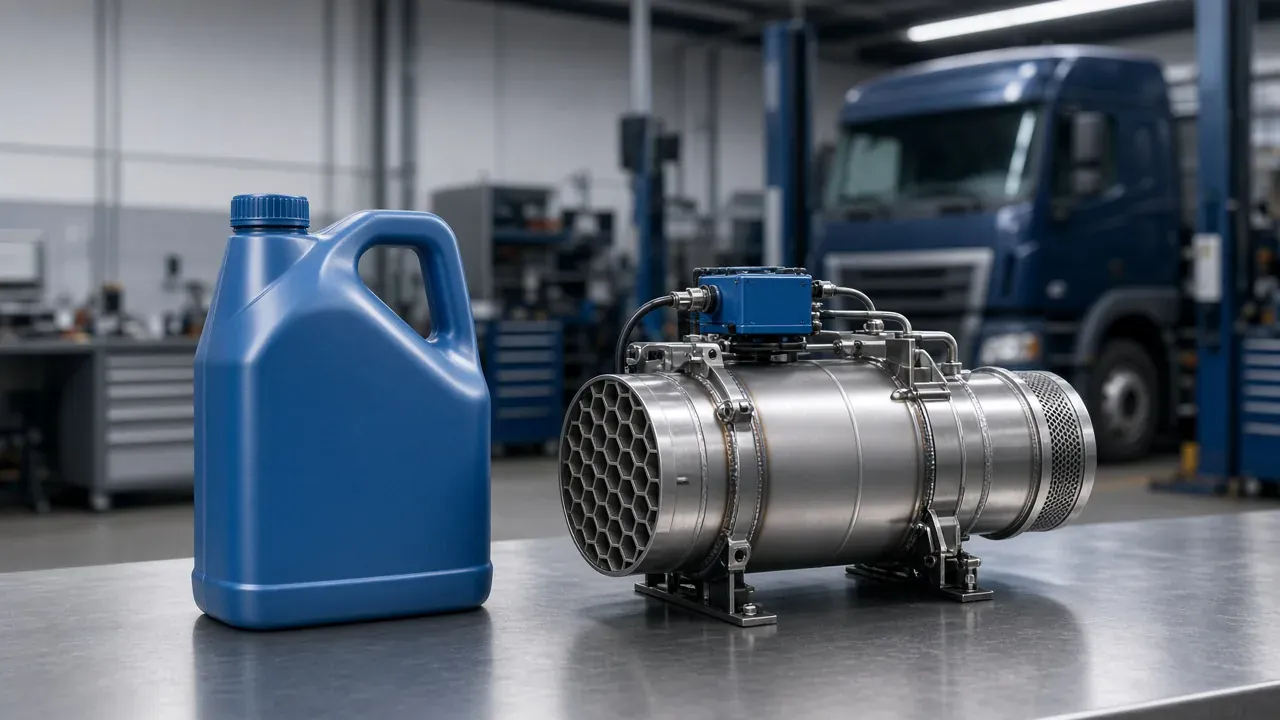
For modern diesel trucks, engine and aftertreatment configuration (DPF, SCR, DEF) is critical. The VIN tells you exactly which exhaust system is fitted before you order a replacement or plan a regen.
How a VIN Decoder Fits Into Your Workflow
Professional diagnostic and parts workflows use the VIN as the starting point:
- Enter the VIN once
- Pull the vehicle specification sheet (engine, transmission, axle, brakes)
- Match fault codes against the exact known configuration
- Order correct parts with confidence
At ProFormance USA, our diagnostic tools and technical resources are built around real vehicle data — so you are not guessing about what is actually installed on the truck.
Common Mistakes When Reading a VIN
- Trusting only the year code — always verify against the build sticker
- Mixing up I/1 and O/0 — these characters are never in a valid VIN
- Ignoring the check digit — it is your first line of defense against typos
- Thinking 17 characters are always enough — some European and commercial vehicles use additional markings for full identification
Decode Every Vehicle You Touch
A 30-second VIN decode can prevent an hour of wrong-part returns and a chain of misdiagnosed repairs.
Next time you have a truck in the bay:
- Read the VIN from the dash or the doorjamb sticker
- Decode the model year and engine family
- Check the emissions configuration before ordering parts
- Validate the check digit — always
Key Takeaways
| VIN Section | Position | What It Tells You |
|---|---|---|
| WMI | 1–3 | Country, manufacturer, division |
| VDS | 4–8 | Model, body, engine |
| Check digit | 9 | Validity / forgery check |
| Model year | 10 | Year of the vehicle (range) |
| Plant | 11 | Assembly location |
| Serial | 12–17 | Unique production number |
Understanding your VIN means fewer wrong parts, faster diagnosis, and smarter purchases. Keep this guide in your toolbox, and decode before you buy, replace, or diagnose.