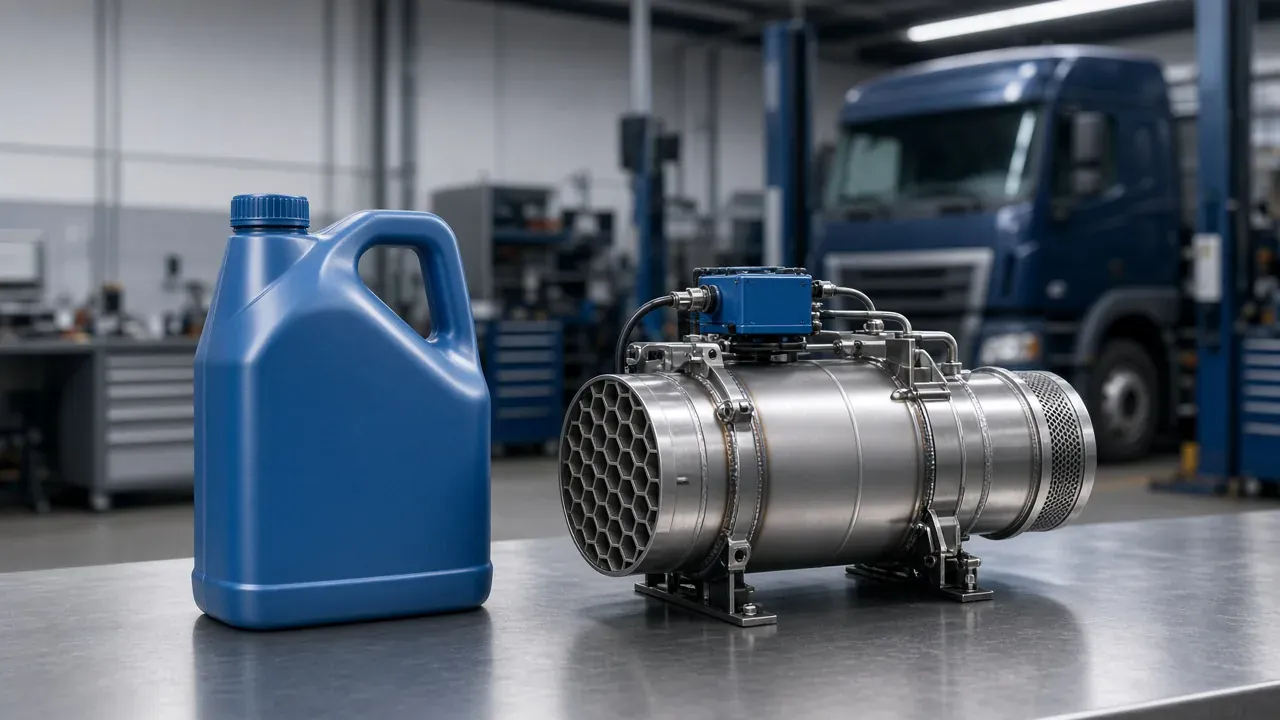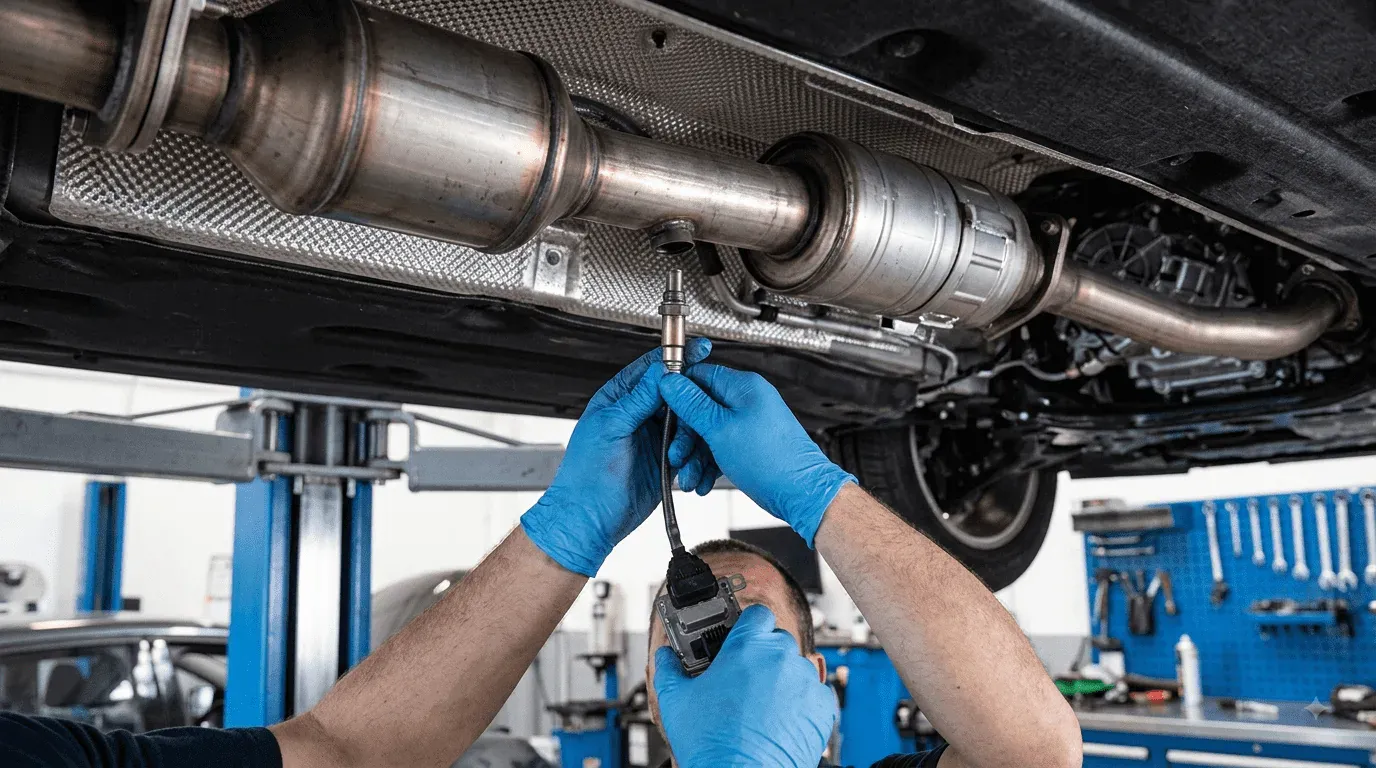
The EGR cooler lowers exhaust gas temperature before gases re enter the intake. When it cracks or clogs, trucks can lose coolant, make white smoke, run rough, or set a cascade of related codes. This guide focuses on practical recognition and diagnosis—not guesswork parts replacement. Coolant in the combustion chamber or exhaust path can create unsafe conditions. If you see continuous white smoke with rapid coolant loss, stop driving and diagnose before further damage. What the EGR Cooler Does E…
EGR Cooler Failure on Diesel Trucks: Symptoms, Codes, and Fix Paths

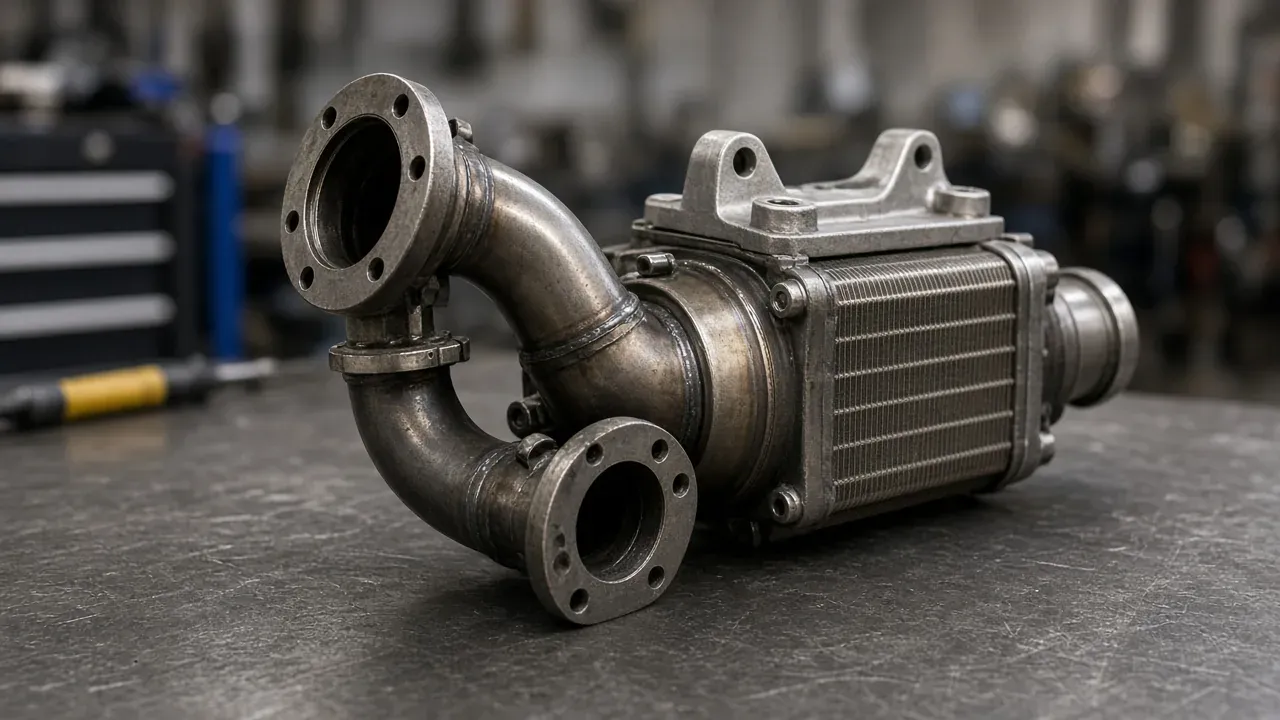
The EGR cooler lowers exhaust gas temperature before gases re-enter the intake. When it cracks or clogs, trucks can lose coolant, make white smoke, run rough, or set a cascade of related codes.
This guide focuses on practical recognition and diagnosis—not guesswork parts replacement.
What the EGR Cooler Does
Exhaust Gas Recirculation (EGR) reduces peak combustion temperatures and NOx formation. Hot exhaust passes through a cooler (usually coolant-fed) before mixing back into the intake stream.
A healthy cooler:
- Transfers heat into the engine coolant circuit
- Keeps EGR gas temperatures in a controlled range
- Supports stable combustion and emissions strategy
A failing cooler typically leaks coolant into the exhaust/intake path or becomes sooting/clogged, upsetting flow and temperature control.
Common Failure Symptoms
Watch for combinations of these:
- Unexplained coolant loss with no obvious external leak
- White smoke on start-up or under load (steam-like)
- Sweet coolant smell from exhaust
- Overheating or rising coolant temp under load
- Rough idle, misfire-like behavior, or derate after related faults
- Pressurization symptoms in the cooling system after running
Codes and Data That Often Appear Nearby
Exact codes vary by OEM, but failures often travel with:
- EGR flow / EGR cooler efficiency / EGR temperature rationality faults
- Coolant temperature correlation issues
- Boost / MAF / NOx strategy side effects after combustion quality drops
Do not stop at the first code. Capture freeze frames, EGR commanded vs actual, coolant temp, and boost-related PIDs.
Practical Diagnostic Path
1. Verify coolant loss pattern
Confirm level drop rate and whether there is an external leak (hoses, water pump, radiator). Internal loss points toward EGR cooler, head gasket, or cracked components.
2. Pressure-test the cooling system
A cooling system pressure test can expose external leaks. Persistent loss with a tight external system increases suspicion of internal leakage paths (cooler or combustion sealing).
3. Inspect for coolant in EGR / intake / exhaust paths
Look for coolant residue around the EGR cooler outlets, EGR valve, and intake plumbing (as accessible). Crystallized coolant films or milky residue are strong clues.
4. Use OEM-specific cooler tests when available
Some platforms support dedicated EGR cooler leak or efficiency tests with a capable diagnostic interface. Commanded EGR changes plus temperature responses help confirm clogging vs leakage.
5. Separate clogged cooler from cracked cooler
- Clogged: flow/efficiency codes, performance issues, soot restriction
- Cracked/leaking: coolant loss + white smoke + possible combustion contamination
Repair paths differ—don’t replace only the valve if the cooler is the root cause.
Fix Paths and Decision Points
Clean vs replace
Light soot restriction may respond to cleaning on some designs, but cracked coolers need replacement. If coolant has entered combustion/exhaust paths, inspect downstream components for collateral damage.
Related parts to evaluate
- EGR valve (sticking from contamination)
- EGR temperature sensors
- Coolant hoses and clamps at the cooler
- Thermostat / cooling system condition (overheat accelerates failure)
After repair validation
- Bleed the cooling system correctly
- Clear codes and run monitors / road test
- Confirm no further coolant loss
- Recheck EGR flow and temperature rationality data
Prevention Habits
- Maintain cooling system chemistry and level
- Address overheating immediately
- Fix EGR valve sticking early (soot loading accelerates cooler stress)
- Use quality diagnostics when emissions codes stack—don’t random-replace sensors first
Bottom Line
EGR cooler failure is common on hard-working diesels and often misdiagnosed as a head gasket or “random smoke” issue. Start with coolant-loss evidence, isolate internal vs external leaks, then confirm cooler condition with data and inspection.
A disciplined path prevents unnecessary engine teardown—and gets the truck back to reliable power faster.