DEF Quality Problems: How Bad Fluid Triggers SCR Faults and Derates Diesel Exhaust Fluid (DEF) looks simple—but quality problems are one of the fastest ways to create SCR faults, crystallization, and unexpected derates on modern diesel trucks. If your truck suddenly shows SCR warnings, NOx inefficiency codes, or “DEF quality poor” messages, start with the fluid itself before replacing expensive sensors or dosing parts. SCR systems meter DEF precisely. Contaminated, diluted, expired, or off spec…
DEF Quality Problems: How Bad Fluid Triggers SCR Faults and Derates

DEF Quality Problems: How Bad Fluid Triggers SCR Faults and Derates
Diesel Exhaust Fluid (DEF) looks simple—but quality problems are one of the fastest ways to create SCR faults, crystallization, and unexpected derates on modern diesel trucks.
If your truck suddenly shows SCR warnings, NOx inefficiency codes, or “DEF quality poor” messages, start with the fluid itself before replacing expensive sensors or dosing parts.
What “Good” DEF Actually Means
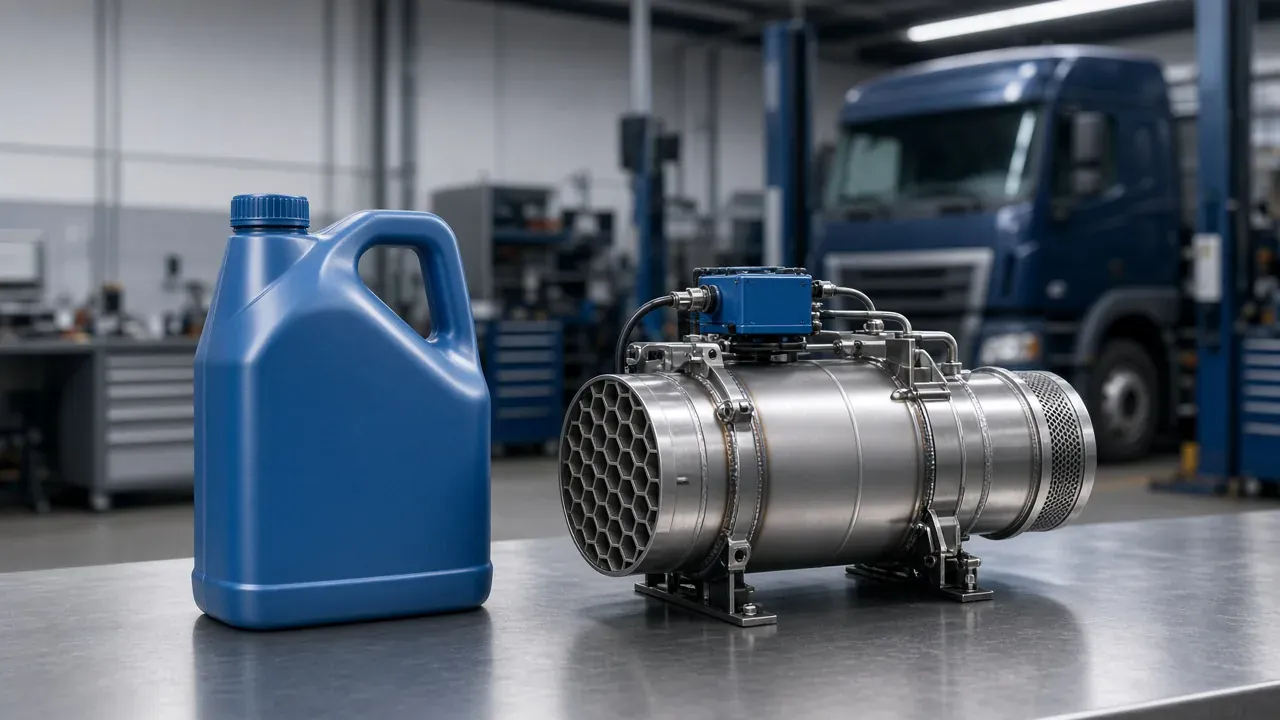
OEM-spec DEF is an aqueous urea solution (typically ~32.5% urea) that meets ISO 22241. Problems begin when the fluid is:
- Diluted with water (wrong concentration)
- Contaminated (fuel, coolant, dirt, metal, tap water minerals)
- Degraded by heat / age (urea breakdown, ammonia smell, sediment)
- Wrong product (agricultural urea, homemade mixes, unlabeled bulk fluid)
Common Symptoms of Bad DEF
- SCR / DEF quality warning lamps
- Codes related to NOx conversion efficiency or DEF dosing
- White crystalline deposits around filler neck, cap, lines, or injector
- Frequent regen activity or incomplete SCR performance
- Progressive torque limit / derate after repeated warnings
These symptoms overlap with failed NOx sensors or dosing valves—so verify fluid before parts roulette.
Diagnostic Path That Saves Time
1. Confirm the complaint and freeze-frame data
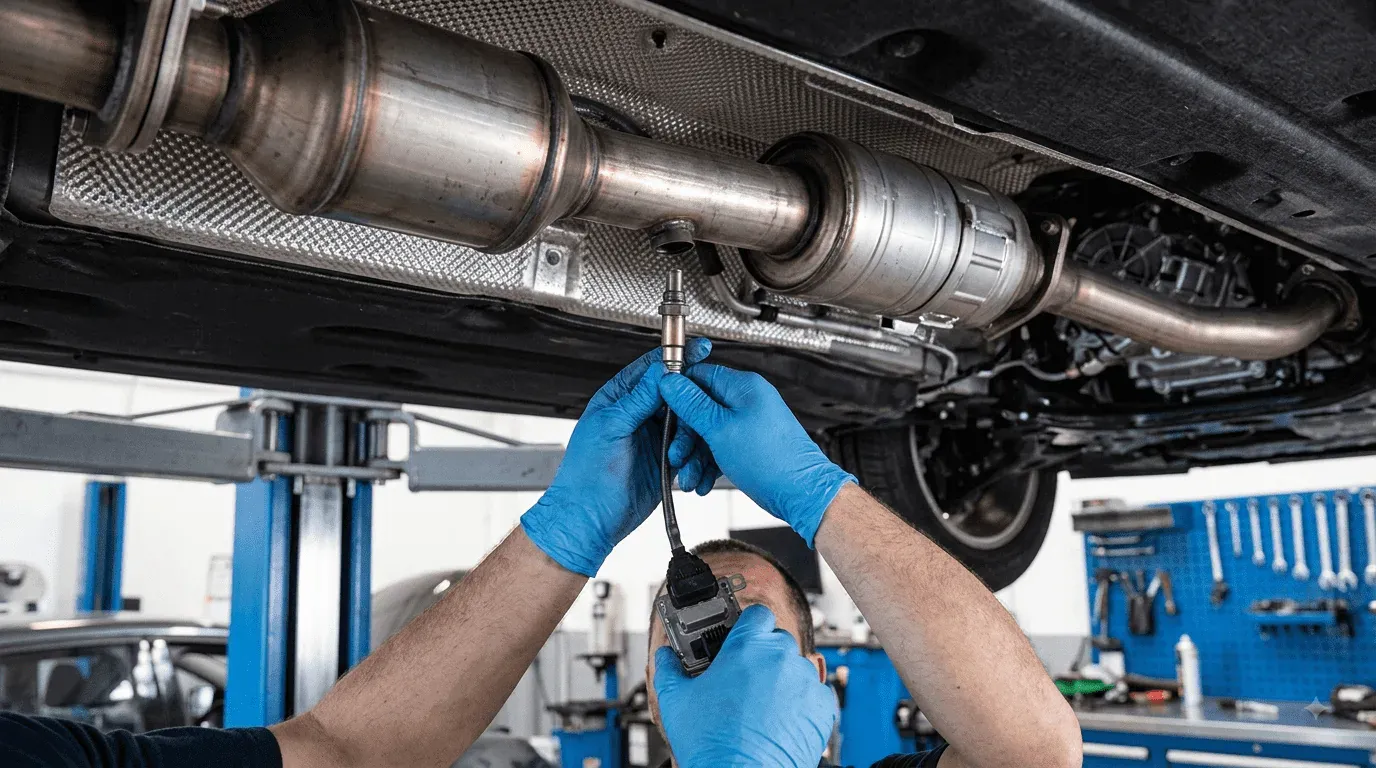
Use a professional diagnostic tool to capture active/pending codes, DEF level, DEF temperature, dosing command, and NOx upstream/downstream values (when available).
2. Inspect the filler and tank area
Look for crystals, dirt ingress, wrong fluid smell, or mixed residues around the DEF filler. Contaminated fill habits are extremely common in fleet yards.
3. Test concentration (when possible)
A refractometer made for DEF can catch dilution quickly. Off-concentration fluid is enough to upset SCR dosing logic.
4. Check for crystallization and restricted flow
Crystals in the pick-up, supply line, or dosing valve can mimic a failed pump. Clear restrictions carefully—do not force contaminated fluid deeper into the system.
5. Only then evaluate sensors and actuators
If fluid checks out and lines are clear, move to NOx sensors, DEF pump pressure, heater circuits, and dosing valve performance.
How Bad DEF Triggers Derates
Modern ECMs use staged strategies. Repeated SCR inefficiency or DEF quality faults often escalate from:
- Warning lamps / driver messages
- Reduced performance after a grace period
- Stronger torque limits until the root cause is corrected and monitors pass
That is why “clear the code and roll” rarely works for long—monitors return as soon as the system rechecks conversion efficiency.
Prevention Checklist for Owner-Operators
- Buy sealed, certified DEF from trusted sources
- Keep the DEF filler cap clean and closed
- Store DEF out of extreme heat when possible
- Never mix leftover fluids of unknown origin
- Address crystallization early before lines plug
- Diagnose with live data instead of guessing sensors first
Bottom Line
Most expensive SCR repairs start with something cheap: bad or mishandled DEF. Confirm fluid quality, concentration, and contamination first. Then use live data to prove whether the dosing system and NOx sensors are actually at fault.
Keeping DEF clean and on-spec is one of the highest-ROI habits for avoiding derates and downtime.